Yellow Ribbon Cancer – Meaning, Awareness and Types
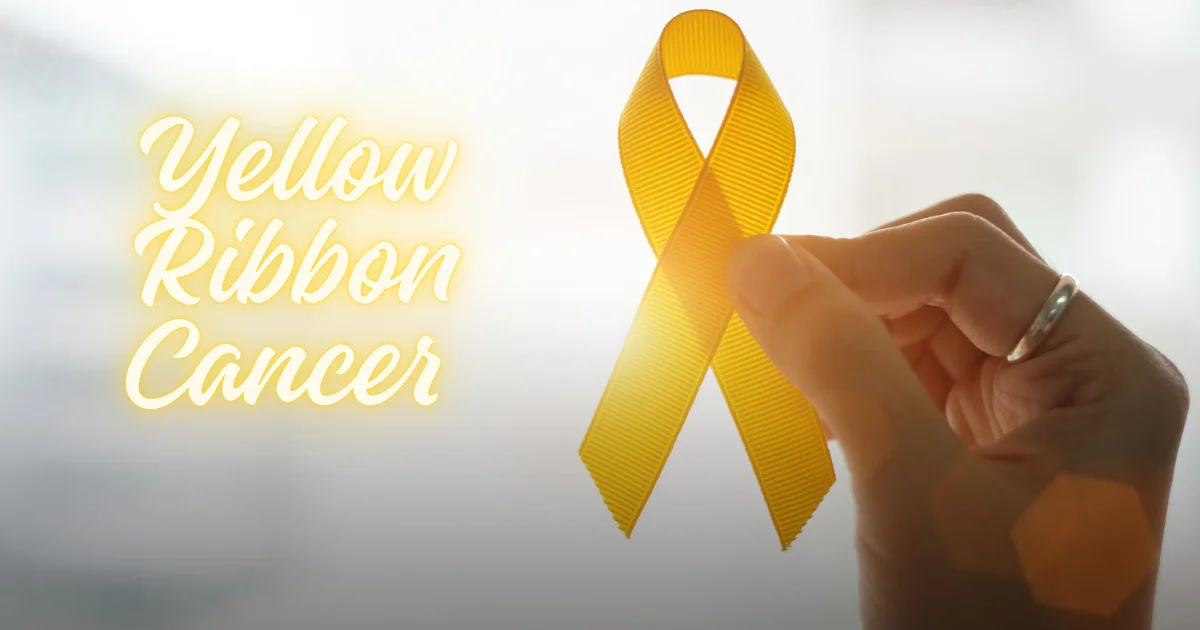
Yellow ribbon cancer represents hope for thousands fighting bone cancer, sarcoma, and bladder cancer. This simple colored ribbon carries deep meaning for patients, survivors, and families across America.
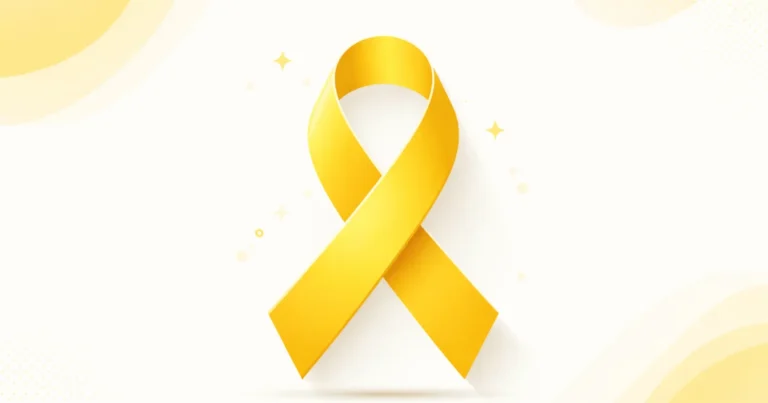
The yellow ribbon symbolizes hope, strength, and optimism in the fight against cancer. Its bright color represents sunlight breaking through darkness, offering comfort to those battling serious illnesses.
Yellow Ribbon Mean in Cancer Awareness
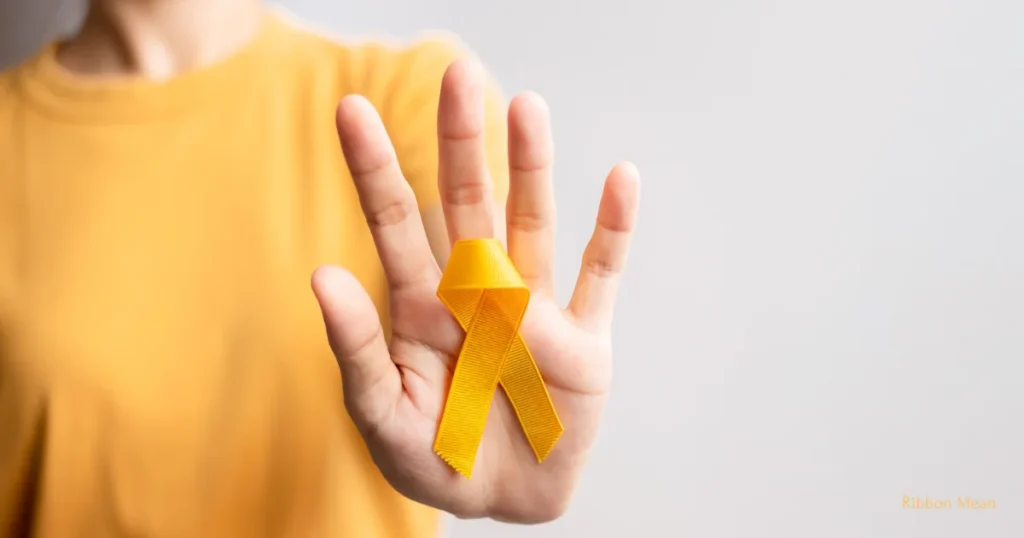
This awareness symbol originated from the 1973 song “Tie a Yellow Ribbon Round the Ole Oak Tree,” which told a story about hope and homecoming. That powerful message of waiting for loved ones to return home inspired cancer advocates to adopt yellow as a symbol of hope for recovery.
Bone cancer and sarcoma claimed the yellow ribbon as their primary awareness color in the early 2000s. The ribbon also represents bladder cancer, though sometimes combined with blue and purple stripes.
Types of Cancer Represented by the Yellow Ribbon

Bone Cancer (Osteosarcoma)
Bone cancer develops in the skeletal system and most commonly affects children, teenagers, and young adults. Osteosarcoma is the most frequent type, usually appearing near the knee or upper arm.
Sarcoma (Soft Tissue Cancer)
Sarcoma represents a group of over 70 different cancer types that develop in bones and soft tissues like muscles, fat, blood vessels, and nerves. These cancers are rare, accounting for only 1% of all adult cancers.
Bladder Cancer
Bladder cancer uses a yellow ribbon, sometimes combined with blue and purple colors. This cancer affects the bladder lining and is more common in older adults, particularly men.
Liver Cancer (Occasional Yellow Usage)
Some organizations use yellow for liver cancer awareness, though emerald green is more common. This confusion happens because jaundice—a yellowing of skin—often accompanies liver disease.
Yellow Ribbon Awareness Month

July is the most important month for yellow ribbon cancer awareness. The entire month highlights bone cancer and sarcoma, bringing attention to these less common but serious diseases.
Wearing a yellow awareness ribbon during July shows solidarity with patients and families. You can purchase ribbons online, at local cancer centers, or make your own to share with friends and family.
Practical Ways to Get Involved
Social media campaigns using #SarcomaAwareness and #BoneCancerAwareness reach thousands of people instantly. Sharing educational posts, survivor stories, and research updates helps spread vital information.
Donating to organizations like the Sarcoma Foundation of America or Osteosarcoma Institute directly funds research for better treatments. Even small contributions make a difference in advancing bone cancer and sarcoma research.
Local fundraising walks, runs, and community events happen throughout July. These gatherings unite survivors, caregivers, and supporters while raising money for cancer research and patient assistance programs.
Difference Between Yellow Ribbon Cancers and Jaundice
Jaundice is a symptom, not a cancer type. It causes yellowing of the skin and eyes due to excess bilirubin in the blood.
This symptom appears in liver cancer, pancreatic cancer, and bile duct cancer—but these cancers use different ribbon colors (green, purple). The yellow ribbon for bone cancer has no connection to jaundice symptoms.
Is Jaundice the Last Stage of Cancer?
No, jaundice does not automatically mean end-stage cancer. This symptom can occur at various stages depending on the cancer type and location. Many patients with jaundice respond well to treatment when diagnosed early.
Jaundice requires immediate medical attention regardless of the cause. Doctors can determine if it stems from cancer, liver disease, gallstones, or other treatable conditions.
Question’s
What cancers use a yellow ribbon?
The yellow ribbon primarily represents bone cancer (osteosarcoma) and sarcoma (soft tissue cancers). Bladder cancer also uses yellow, often combined with blue and purple in a tri-color ribbon.
What does the yellow ribbon mean 🎗️ Jews?
The yellow cancer awareness ribbon has no specific connection to Jewish culture or religion. It universally symbolizes hope and support for bone cancer, sarcoma, and bladder cancer patients regardless of faith, ethnicity, or background.
What type of cancer is yellow?
“Yellow cancer” refers to cancers represented by the yellow awareness ribbon—primarily bone cancer and sarcoma. The term doesn’t describe a cancer that physically appears yellow.
Is jaundice the last stage of cancer?
No. Jaundice (yellowing of skin and eyes) can appear at various cancer stages, not just terminal phases. It commonly occurs with liver cancer, pancreatic cancer, and bile duct cancer when tumors block bile flow.
Do all cancers have their own ribbon?
Most cancers have designated awareness ribbon colors, though some share colors or use multi-colored ribbons. Over 50 different ribbon colors exist representing various cancer types.
Pink for breast cancer remains most recognizable, while lavender represents all cancers collectively. Some rare cancers still lack official ribbon colors as awareness efforts continue growing.
What is the meaning of tie a yellow ribbon?
“Tie a Yellow Ribbon Round the Ole Oak Tree” is a 1973 song about a man returning home from prison, hoping his love still waits for him. The yellow ribbon symbolized hope, forgiveness, and homecoming.
Final Thoughts
The yellow ribbon cancer symbol unites communities in supporting bone cancer, sarcoma, and bladder cancer patients. Wearing yellow during awareness months or sharing information saves lives through education and early detection.

I’m Momin Ali, the admin of RibbonMean.com. I manage and review all informational content on the site, focusing on accuracy, clarity, and reliable sources. My goal is to provide well-researched ribbon meaning explanations readers can trust.