
Green Ribbon Meaning Symbol and Awareness
Green ribbon meaning encompasses mental health awareness, organ donation advocacy, environmental protection, and support for numerous medical conditions.
This simple emblem has become a universal language of compassion, breaking down barriers and starting conversations that save lives.
What Does the Green Ribbon Mean?
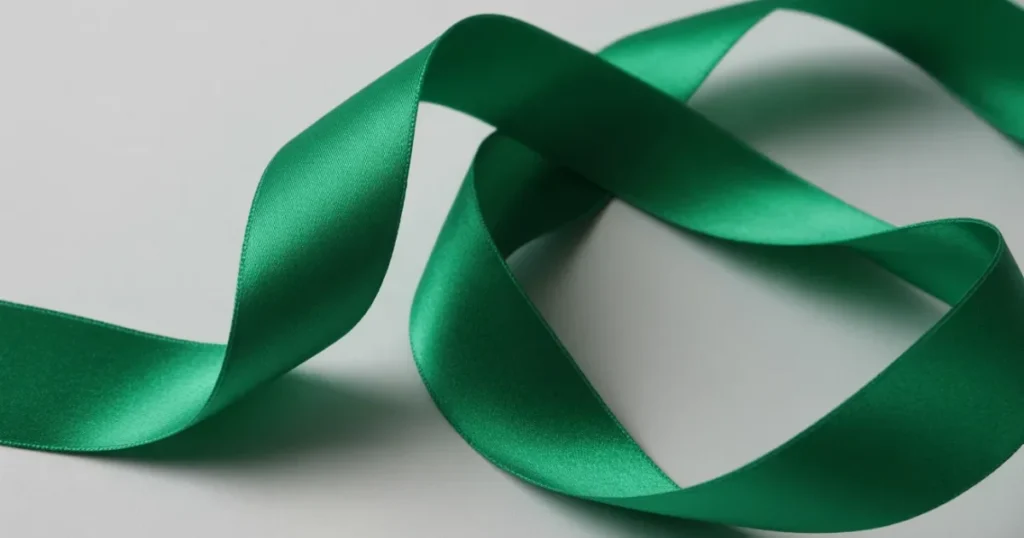
The green ribbon symbolizes multiple causes, with mental health awareness being its most recognized meaning. When people wear this ribbon, they’re supporting those who struggle with depression, anxiety, bipolar disorder, and other mental health challenges.
Beyond mental health, the green ribbon represents organ donation awareness, kidney disease, liver conditions, and environmental causes.
Different shades of green can indicate specific conditions—lime green for Lyme disease, sea green for speech disorders, and traditional green for mental wellness.
The History and Origins of the Green Ribbon

How the Green Ribbon Movement Began
The green ribbon awareness campaign started in the early 1990s in the United States. The National Mental Health Association (now Mental Health America) pioneered this movement, inspired by the success of the red ribbon for HIV/AIDS awareness.
This organization recognized the need for a unifying symbol to bring mental health issues into public conversation. The green ribbon became their answer—a visible way to show support, reduce stigma, and encourage people to seek help without shame.
The Green Ribbon’s Journey in the United Kingdom
The Mental Health Foundation in the UK embraced the green ribbon in 2001 for Mental Health Awareness Week. This annual event transformed the ribbon into a national symbol of solidarity and understanding.
Time to Change, launched in 2007, further popularized the green ribbon across Britain. The campaign challenged negative stereotypes and promoted open dialogue about mental wellness.
When the Royal Family—including Prince William, Kate Middleton, and Prince Harry—launched their Heads Together campaign, the green ribbon gained unprecedented visibility and legitimacy.
The Symbolism Behind the Color
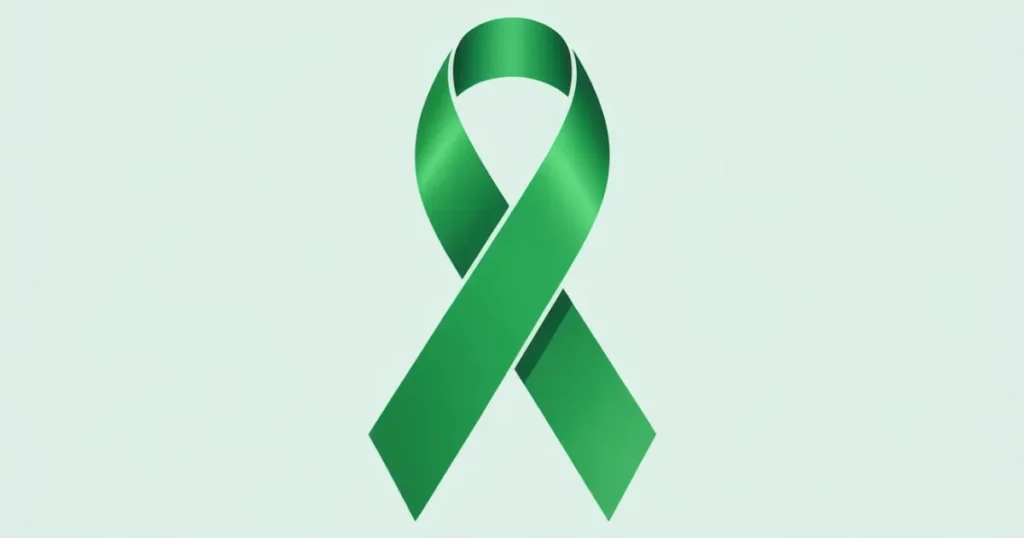
Green represents growth, renewal, and hope—qualities essential for anyone on a healing journey. This color connects deeply with nature, evoking feelings of calm, balance, and restoration that align perfectly with mental and physical wellness.
The choice of green was strategic beyond symbolism. It stood out from other awareness ribbons like pink for breast cancer and red for heart disease, creating instant recognition. Green’s universal appeal transcends cultural boundaries, making it an ideal symbol for global mental health advocacy.
Green Ribbon and Mental Health Awareness
Mental Health Conditions Represented
The green ribbon for mental health covers a wide spectrum of conditions. Depression, the most common mental illness affecting over 280 million people globally, is a primary focus of green ribbon campaigns.
Bipolar disorder, characterized by extreme mood swings, also falls under the green ribbon umbrella. Other conditions include anxiety disorders, PTSD, schizophrenia, and childhood depression.
Breaking the Stigma Through the Green Ribbon
Mental health stigma remains one of the biggest barriers to treatment. The green ribbon creates safe spaces for conversation, signaling that it’s okay to talk about mental struggles without judgment or shame.
Traumatic Brain Injury (TBI) and Mental Health
Traumatic brain injuries often lead to mental health complications that many don’t recognize. TBI can cause personality changes, mood disorders, memory problems, and emotional instability that profoundly impact daily life.
The green ribbon raises awareness about the TBI and mental health connection, ensuring survivors receive comprehensive care. Early intervention and proper support can dramatically improve outcomes for those living with brain injury-related mental health challenges.
Health Conditions and Diseases Represented
Cancer Awareness
The green ribbon for cancer specifically represents kidney cancer, liver cancer, and gallbladder cancer. Kidney cancer affects approximately 81,000 Americans annually, making awareness and early detection crucial.
Liver cancer rates have tripled in the US since the 1980s. The green ribbon helps educate people about risk factors, symptoms, and the importance of regular screenings for these often-overlooked cancers.
Chronic Diseases and Conditions
Cerebral palsy, affecting movement and posture, is represented by the green ribbon. This condition impacts roughly 1 in 345 children in the United States, making it the most common motor disability in childhood.
Other conditions include kidney disease (affecting 37 million Americans), Lyme disease (476,000 new cases yearly), celiac disease, glaucoma, and spinal cord injuries. The green ribbon unifies support for all these diverse health challenges.
Different Shades of Green Ribbons and Their Meanings

Traditional Green
Traditional green ribbons support over 40 different causes. This versatile shade covers mental health awareness, organ donation, environmental issues, genocide awareness, natural disaster relief, and brain injury support.
Lime Green
Lime green ribbons focus on childhood mental health, including childhood depression and mood disorders. This bright shade also represents Lyme disease, muscular dystrophy, lymphoma, and maternal mental health conditions.
Sea Green
Sea green awareness ribbons represent speech-related challenges. People with stuttering, stammering, or lisping use this shade to promote understanding and advocate for better support services.
Light Green
Light green ribbons primarily raise awareness for sexually transmitted diseases and sexual health education. This shade also represents chronic pelvic pain, HPV awareness, and celiac disease.
Green Ribbon for Organ and Tissue Donation
Organ donation saves approximately100 lives daily in the United States alone. The green ribbon symbolizes this life-saving gift, representing hope and renewal for recipients waiting for transplants.
National Donate Life Month occurs every April, when green ribbons become especially visible. Over 100,000 people currently wait for organ transplants in the US, making donor registration critically important.
Environmental Causes and the Green Ribbon
Environmental awareness naturally aligns with green symbolism. Climate activists wear green ribbons to advocate for sustainable practices, conservation efforts, and urgent action against climate change.
Earth Day on April 22nd sees widespread green ribbon displays. The symbol represents commitment to protecting natural resources, reducing pollution, combating deforestation, and promoting eco-friendly policies that ensure a livable planet for future generations.
Mental Health Awareness Week and the Green Ribbon
Mental Health Awareness Week varies by country but typically occurs in May in the United States and the second week of May in the UK. During this time, green ribbons become ubiquitous symbols of solidarity.
High-Profile Advocacy and Celebrity Support
Prince William, Kate Middleton, and Prince Harry transformed green ribbon visibility through their Heads Together initiative. Their royal platform brought unprecedented attention to mental health, making it acceptable to discuss previously taboo topics.
Celebrity advocates like Dwayne “The Rock” Johnson have openly shared their depression struggles while wearing green ribbons. Lady Gaga’s Born This Way Foundation, Demi Lovato’s mental health activism, and Selena Gomez’s anxiety advocacy have all featured the green ribbon prominently.
How to Show Your Support with a Green Ribbon
Wearing a green ribbon pin is the simplest way to show support. You can find ribbons at awareness events, order them online, or create your own for community gatherings.
Participate in awareness campaigns by attending walks, runs, or fundraising events.
Share information on social media using hashtags like #GreenRibbon or #MentalHealthAwareness.
Organize workplace initiatives, donate to mental health organizations, or volunteer your time to causes represented by the green ribbon.
The Impact of the Green Ribbon Movement

Mental health stigma reduction represents the green ribbon’s greatest achievement. Studies show that communities with active awareness campaigns see increased help-seeking behavior and reduced discrimination against those with mental illness.
Other Post: Yellow Ribbon Meaning- History and Symbolism
Question’s
Why are they wearing green ribbons today?
People wear green ribbons during Mental Health Awareness Month (May), Mental Health Awareness Week, World Mental Health Day (October 10th), or to support someone personally affected by mental illness or other green ribbon causes.
What conditions use a green ribbon?
Over 40 conditions use the green ribbon symbol. Mental health conditions include depression, anxiety, bipolar disorder, PTSD, and schizophrenia. Medical conditions include kidney cancer, liver disease, cerebral palsy, Lyme disease, glaucoma, and celiac disease.
What do different ribbon colors mean?
Awareness ribbon colors each represent specific causes. Pink supports breast cancer, red represents HIV/AIDS and heart disease, purple stands for pancreatic cancer and domestic violence, and blue advocates for child abuse prevention.
Orange ribbons support leukemia awareness, teal ribbons represent ovarian cancer, gray ribbons symbolize brain cancer, and gold ribbons advocate for childhood cancer.
What month is the green ribbon?
May is Mental Health Awareness Month in the United States, making it the primary green ribbon month. However, green ribbons appear throughout the year for various causes and observances.
April features National Donate Life Month for organ donation awareness. October 10th is World Mental Health Day. Many organizations promote green ribbon awareness year-round rather than limiting it to specific months.
Conclusion
The green ribbon meaning extends far beyond its simple appearance. It represents hope for those struggling, support from those who care, and commitment to creating a world where mental health, physical wellness, and environmental protection receive the attention they deserve.

I’m Momin Ali, the admin of RibbonMean.com. I manage and review all informational content on the site, focusing on accuracy, clarity, and reliable sources. My goal is to provide well-researched ribbon meaning explanations readers can trust.