
Pink Ribbon Meaning — History, Symbolism, and Awareness
The pink ribbon is one of the most recognized symbols in the world. It stands for hope, support, and solidarity for everyone affected by breast cancer. Simple in design. Powerful in meaning.
It shows up every October — and every day in between.
What Does a Pink Ribbon Mean?

The pink ribbon meaning is clear and direct. It is the international symbol for breast cancer awareness. It represents the fight for early detection, better treatment, and one day, a cure.
It also honors survivors, patients, and the people who love them. When you see a pink ribbon, you see a community that refuses to give up.
The History and Origin of the Pink Ribbon
The origin of the pink ribbon starts in 1991. A woman named Charlotte Haley began distributing peach-colored ribbons to raise awareness about the lack of cancer research funding. Her grassroots effort was simple — but it sparked something big.
By 1992, SELF magazine and Estée Lauder transformed that idea into the now-famous pink ribbon campaign. The color pink was chosen. The symbol went global. Today it is worn in nearly every country on earth.
Pink Ribbon Meaning in Breast Cancer Awareness

The pink ribbon is the official symbol of Breast Cancer Awareness Month — observed every October across the United States. It is used to promote mammograms, early screening, and research funding.
Organizations like the Susan G. Komen Foundation use the pink ribbon — including their iconic “running ribbon” — to raise millions of dollars every year for research and patient support.
Pink Ribbon Meaning in Different Shades
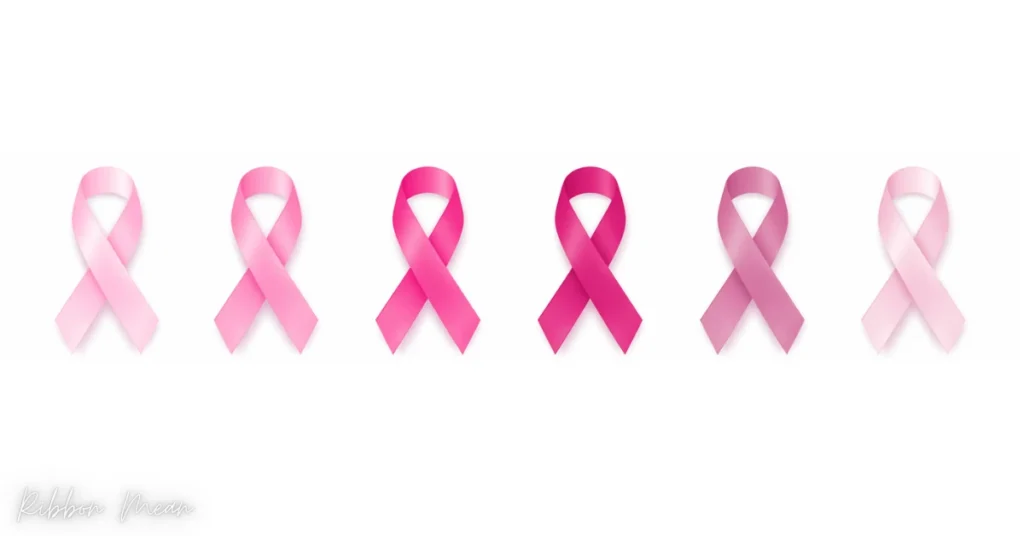
Not every pink ribbon means the same thing. Each shade carries its own specific cause within the broader breast cancer awareness space.
Hot pink represents Inflammatory Breast Cancer — a rare and aggressive form. Pink and blue together stand for Male Breast Cancer awareness. Pink, teal, and green combined represent Metastatic Breast Cancer — the most advanced stage of the disease.
Pink Ribbon Meaning in Everyday Life

The pink awareness ribbon shows up far beyond hospitals and awareness walks. It appears on clothing, pins, wristbands, and accessories worn to show solidarity with patients and survivors.
Every October, brands and corporations display the pink ribbon symbol to show support for breast cancer charities. Buildings light up pink. Social media turns pink. Pink-themed products donate proceeds directly to breast cancer research. This is called cause marketing — and the pink ribbon drives more of it than any other awareness symbol in the world.
Question’s
Why is everyone wearing pink ribbons today?
People wear pink ribbons to show support for breast cancer patients, survivors, and ongoing research efforts — especially during October, Breast Cancer Awareness Month. It is a visible sign of solidarity.
Is pink ribbon only for breast cancer?
The pink ribbon is primarily associated with breast cancer awareness. However, variations like hot pink, pink and blue, and pink combined with teal represent specific types such as inflammatory, male, and metastatic breast cancer.
What can breast cancer patients get for free?
Many organizations offer free mammograms, wigs, counseling, transportation, and financial assistance to breast cancer patients. The National Breast Cancer Foundation and Susan G. Komen are two major US-based organizations that provide these free resources.
What color ribbon for prostate cancer?
Light blue is the ribbon color for prostate cancer awareness. It is separate from the pink ribbon but equally important — especially for men’s health awareness in the United States.
Final Thoughts
The pink ribbon is more than a symbol. It is a promise. A promise to keep fighting, keep screening, and keep funding research until breast cancer no longer threatens lives.
When you wear a pink ribbon, you are not just showing awareness. You are showing that you care.

I’m Momin Ali, the admin of RibbonMean.com. I manage and review all informational content on the site, focusing on accuracy, clarity, and reliable sources. My goal is to provide well-researched ribbon meaning explanations readers can trust.